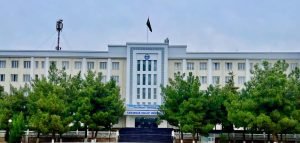
Namangan State Medical University
Namangan State Medical University: A Hub of Medical Education and Innovation
Introduction:
Namangan State Medical University, located in the heart of Uzbekistan’s Namangan region, is one of the country’s leading higher education institutions. Among its various faculties, the Faculty of Medicine stands out as a key center for training future doctors, researchers, and healthcare professionals. With a strong emphasis on modern medical education, scientific research, and clinical practice, the faculty plays a crucial role in improving healthcare standards in Uzbekistan and beyond.
History and Background of Namangan State Medical University:
Namangan State Medical University or Namangan State University Faculty of Medicine (NamSUFM) was established in 1942, initially as a pedagogical institute. Over the decades, it expanded its academic offerings and evolved into a full-fledged university. The Faculty of Medicine was introduced to meet the growing demand for qualified medical professionals in the Fergana Valley and surrounding regions.
Since its inception, the faculty has focused on:
- Providing high-quality medical education based on international standards.
- Integrating theoretical knowledge with hands-on clinical training.
- Contributing to medical research and public health initiatives.
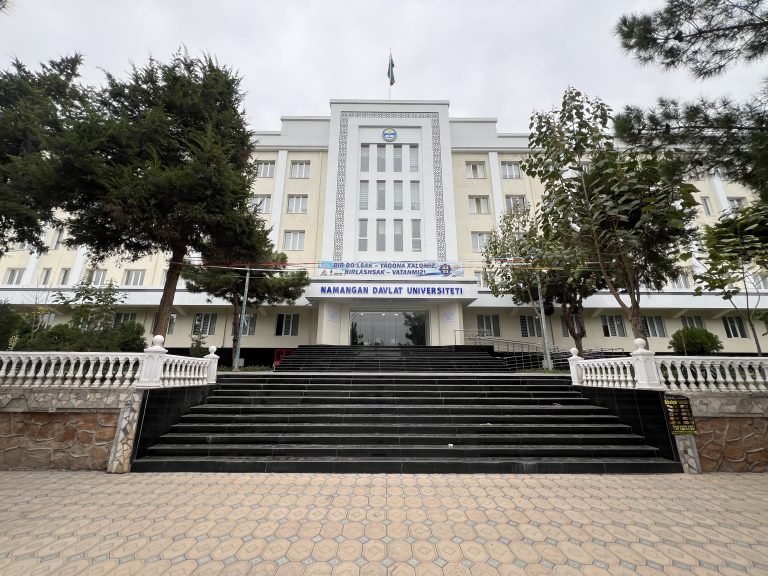
Namangan State Medical University: Advancing No. 1 Healthcare Education and Innovation in Uzbekistan
Namangan State University Faculty of Medicine also known as Namangan State Medical University locally, stands as a premier institution for medical education in Central Asia, combining rigorous academic training with cutting-edge research and clinical practice. Located in the vibrant city of Namangan, Uzbekistan, the faculty has established itself as a vital contributor to the nation’s healthcare system, producing highly skilled physicians, researchers, and healthcare professionals who serve communities across the region. With a curriculum designed to meet international standards, state-of-the-art facilities, and a commitment to innovation, the Faculty of Medicine offers students a transformative educational experience that prepares them for the challenges of modern medicine.
Academic Programs at Namangan State Medical University
The Namangan State Medical University or Namangan State University Faculty of Medicine offers a range of programs designed to prepare students for careers in various medical fields. Key programs include:
General Medicine (MD Program – 6 years)
This is the flagship program, training future doctors in:
- Basic medical sciences (anatomy, physiology, biochemistry).
- Clinical disciplines (internal medicine, surgery, pediatrics, obstetrics, and gynecology).
- Preventive medicine and public health.
Graduates receive a Doctor of Medicine (MD) degree and can pursue further specialization through residency programs.
Pediatrics (5-6 years)
A specialized program focusing on child healthcare, covering:
- Neonatology and pediatric surgery.
- Childhood diseases and immunizations.
- Adolescent medicine and nutrition.
Medical Prevention and Public Health
This program emphasizes disease prevention, epidemiology, and health policy, preparing students for roles in:
- Healthcare administration.
- Community health programs.
- Infectious disease control.
Nursing and Midwifery
For students interested in patient care and maternal health, this program provides training in:
- Clinical nursing practices.
- Emergency care and rehabilitation.
- Women’s health and childbirth assistance.
Teaching Methodology and Facilities
The Faculty of Medicine employs a student-centered approach, combining:
- Lectures and seminarson medical theory.
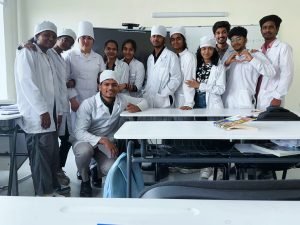
- Laboratory workin anatomy, microbiology, and pathology.
- Clinical rotationsat affiliated hospitals and clinics.
Key Facilities:
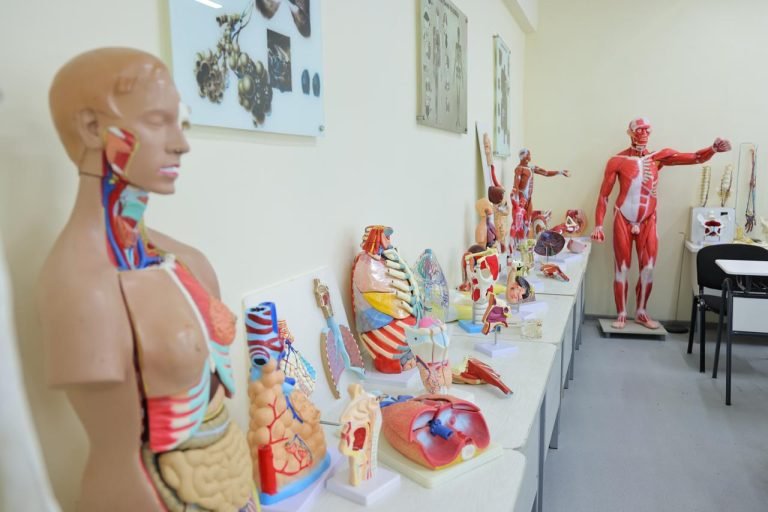
- Modern Simulation Labs– Equipped with mannequins and virtual reality tools for practical training.
- University Hospital Partnerships– Students gain real-world experience in local hospitals.
- Research Centers– Focused on areas like cardiology, neurology, and infectious diseases.
Research and International Collaboration
The faculty actively engages in medical research, with projects on:
- Regional health issues(e.g., tuberculosis, cardiovascular diseases).
- Biotechnology and pharmacology.
- Telemedicine and digital health innovations.
NamSU collaborates with international universities and organizations, including partnerships with institutions in Russia, South Korea, and Europe, allowing student and faculty exchanges.
Career Prospects for Graduates at Namangan State Medical Unviersity
Graduates of Namangan State Medical University have strong career opportunities in:
- Hospitals and clinics(both public and private).
- Research institutions and pharmaceutical companies.
Public health organizations and NGOs.
Many alumni also pursue postgraduate studies abroad or enter residency programs in Uzbekistan. check wiki for more https://en.wikipedia.org/wiki/Namangan_State_University